
As a responsible and loving cat owner, one of your most crucial responsibilities is ensuring your feline friend receives proper nutrition. Cats have unique dietary requirements, and understanding these needs is vital for their overall health and well-being. In this blog, we'll explore the essential aspects of your cat's nutritional needs and provide insights into how to provide them with a balanced diet.
Protein: The Foundation of Feline Nutrition
Cats are obligate carnivores, which means they require a diet primarily composed of animal-based proteins. Protein is essential for various bodily functions in cats, including muscle development, tissue repair, and the production of essential enzymes. Quality sources of protein include meat, poultry, and fish. When selecting cat food, ensure that the protein source is the first ingredient listed on the label.
Fats: Energy and Essential Fatty Acids
Fats are another crucial component of a cat's diet. They serve as a concentrated source of energy and provide essential fatty acids like omega-3 and omega-6, which are vital for healthy skin, a shiny coat, and overall well-being. High-quality cat food should contain an appropriate amount of fats, typically coming from animal fat sources.
Carbohydrates: Limited but Beneficial
Unlike some other animals, cats do not have a significant need for carbohydrates in their diet. While they can digest small amounts of carbohydrates, their bodies are better adapted to utilizing proteins and fats for energy. Ideally, your cat's food should contain minimal carbohydrates, with a focus on those derived from grains like rice and oats, rather than fillers like corn and wheat.
Vitamins and Minerals: The Essentials
Cats require specific vitamins and minerals to maintain optimal health. These include vitamins like A, D, E, and B-complex vitamins, as well as minerals such as calcium, phosphorus, and potassium. High-quality cat food should be formulated to meet these requirements. However, if you prepare homemade cat food, it's essential to consult with a veterinarian or animal nutritionist to ensure proper supplementation.

Water: Hydration is Key
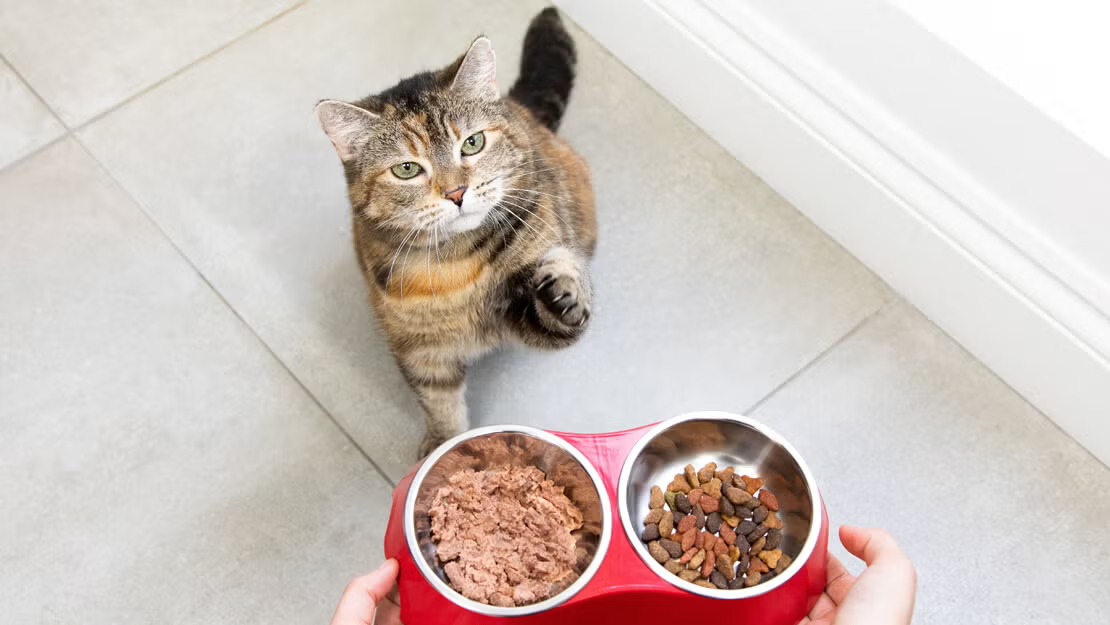
Proper hydration is crucial for a cat's health. Cats have a relatively low thirst drive, which can make them prone to dehydration. Wet cat food can be an excellent way to ensure your cat gets enough moisture in their diet. Additionally, always provide fresh, clean water for your cat to drink.
Special Dietary Considerations
Some cats have unique dietary needs due to factors like age, health conditions, or allergies. Special diets may be necessary for kittens, senior cats, overweight cats, or those with medical conditions. Consult with your veterinarian to determine the best approach for your cat's specific situation.
Conclusion
Understanding your cat's nutritional needs is fundamental to providing them with a long, healthy, and happy life. High-quality commercial cat food that meets the standards set by reputable organizations can be a convenient and reliable choice for many cat owners. However, it's essential to consult with your veterinarian for personalized dietary recommendations, as every cat is unique and may have individual requirements. By prioritizing your cat's nutritional needs, you're taking a significant step toward ensuring their well-being and longevity.







Write a comment ...